History and Traditions of New Year: Why We Celebrate on January 1st
Exploring the historical origins of the January 1st date and the nuances of New Year celebrations in various world cultures.
 🧠AI Analysis
Photo: TSN
Key points
- Historical roots of January 1st
- The role of Julius Caesar and Pope Gregory XIII
- Diversity of New Year rituals worldwide
From Ancient Roman Traditions to the Modern Calendar
The tradition of celebrating the beginning of the new year on January 1st has deep historical roots dating back to Ancient Rome. During the reign of Julius Caesar, the Julian calendar was introduced, establishing this date as the official start of the year. The name of the first month, January, comes from the god Janus, who symbolized transitions and new beginnings.
However, the path to unification was long. In medieval Europe, the start of the year was often linked to religious holidays such as Christmas or the Annunciation. It was only after the introduction of the Gregorian calendar by Pope Gregory XIII in 1582 that January 1st became the generally accepted standard for most countries around the world.
Diversity of Global Customs
- Spain: The tradition of eating 12 grapes as the clock strikes midnight to attract good luck.
- Italy: Eating lentils, which symbolize wealth and financial success.
- Japan: The Buddhist ritual of 108 bell tolls to cleanse oneself of human passions.
- Scotland: The 'first-footing' custom, where the first guest to enter a home determines the success of the coming year.
Today, despite globalization, many nations retain their own unique approaches to celebrations, blending modern customs with ancient beliefs, making this period special for every community.
Source TSN — tsn.ua/tsikavinki/koly-sviatkuiut-novyy-rik-chomu-data-prypadaye-na-1-s… ↗
Read next
 💼Economy
Emergency Power Outages Implemented in Five Ukrainian Regions Following Fresh Attacks
As of Sunday evening, emergency power cuts were introduced in Dnipropetrovsk, Kharkiv, Poltava, Zaporizhzhia, and Sumy regions due to energy infrastructure damage.
 🎭Culture & Sport
IT-themed retail: German blogger showcases unique high-tech supermarket in Ukraine
German-speaking TikTok creator Ukrainiko was impressed by a Lviv supermarket featuring a design inspired by IT culture and video games.
 🛡️Security
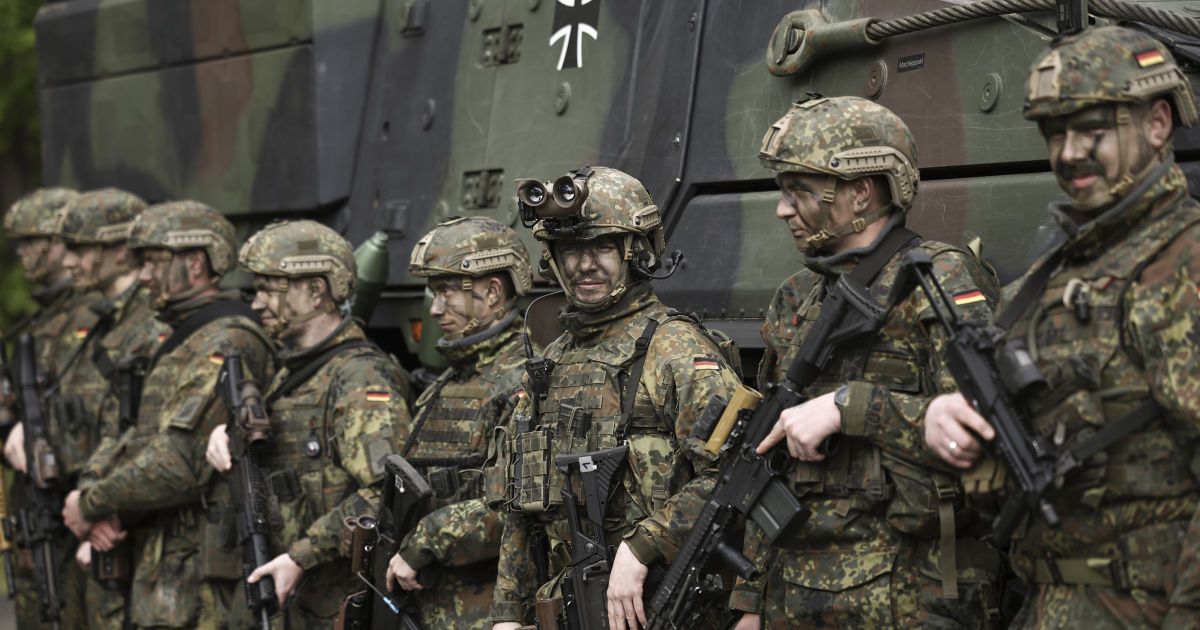
Germany Changes Tank Logistics to Lithuania Amid Propaganda Concerns
The Bundeswehr shifted from road convoys through Poland to rail transport for deploying tanks to Lithuania, aiming to prevent Russian propaganda exploitation.
 🏙️City
Across Africa: How Famous Ukrainian Storks Continue Their Seasonal Migration
Known Ukrainian storks Boy, Hartbit, Shikydym, and Stephania are continuing their migration across Africa, covering thousands of kilometers and showing different travel s…
 🎭Culture & Sport
Secrets of the Perfect Sauté: Should You Cook Onions or Carrots First?
Culinary experts explain the proper sequence for sautéing vegetables to create a flavorful base for soups and borscht.
 👥Society
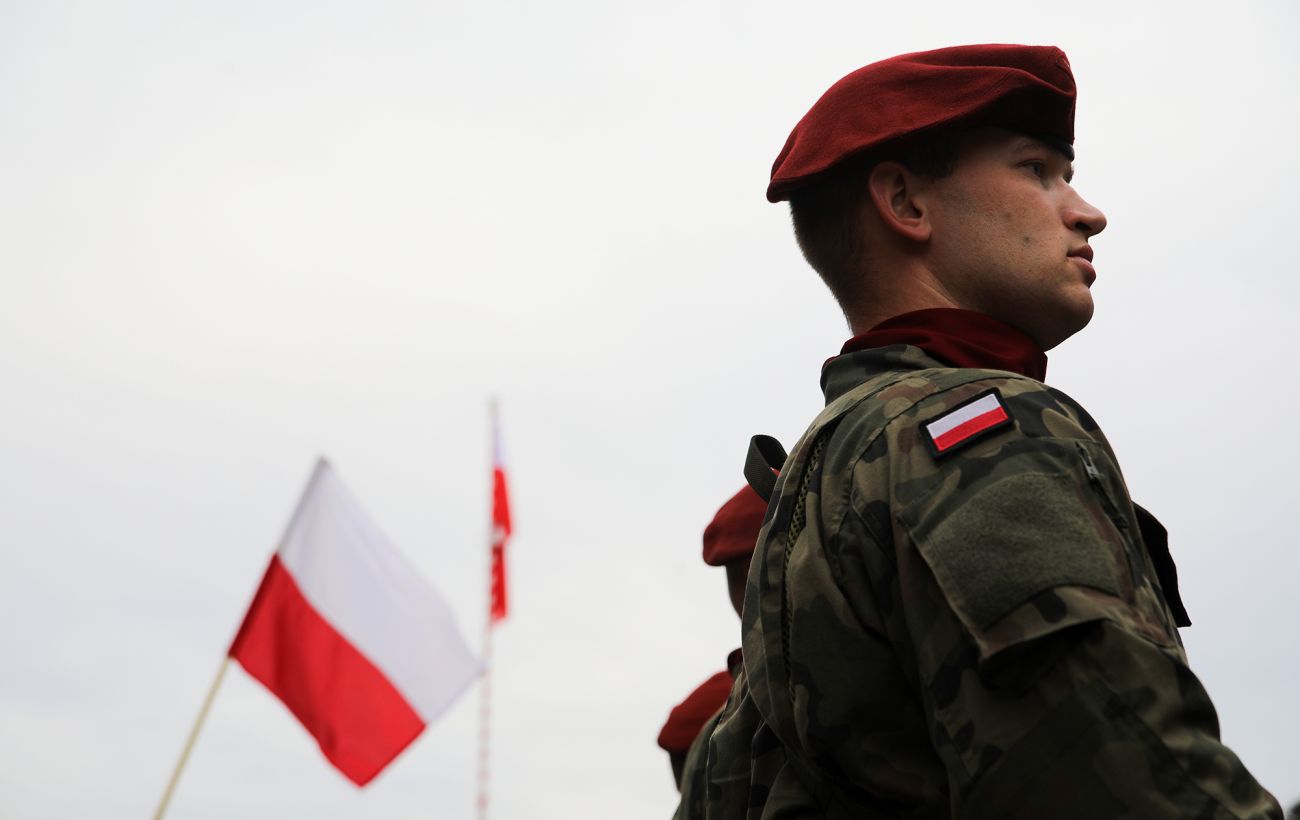
Poland Demands NATO Strengthen Eastern Flank Air Defense After Russian Missile Incursion
Following the violation of Polish airspace by Russian missiles, Warsaw calls for enhanced air defense across NATO's eastern flank.