Winter Forecasts: Comparing Ancient Calendars with Modern Meteorology
Historical almanacs and traditional folklore predict an unusual winter season, but contemporary scientists foresee a completely different trend.
 🏙️City
Photo: UNIAN
Key points
- Historical almanacs predicted a dry and cold winter season.
- Researchers note that ancient weather signs have very low statistical accuracy.
- Modern meteorologists forecast a milder winter with higher precipitation due to global climate factors.
As the cold season approaches, communities and farmers often look beyond standard forecasts toward historical observations and folklore. A notable example is an old Hungarian almanac from the 19th century, which attempted to link seasonal weather patterns to planetary cycles. According to these archived texts, the ongoing astronomical period should result in a dry and freezing winter. However, researchers point out that the vast majority of such medieval rules perform no better than random chance.
Folklore Versus Scientific Data
Traditional calendars are filled with specific calendar dates historically used by rural populations to anticipate upcoming weather conditions. Specific milestones in November and December served as indicators for frost duration and precipitation levels. Despite their cultural value, experts emphasize that these methods lack statistical reliability in today's rapidly changing environmental context.
Meanwhile, global meteorological agencies highlight powerful planetary phenomena, such as the El Niño effect, which heavily influence current climate patterns. Instead of severe frosts and drought, scientific models project a much milder winter accompanied by increased rainfall across various European regions, directly contradicting historical prophecies.
Source UNIAN — unian.ua/pogoda/news/zima-2026-2027-chi-bude-vona-holodnoyu-i-suhoy… ↗
Read next
 🇺🇦Ukraine
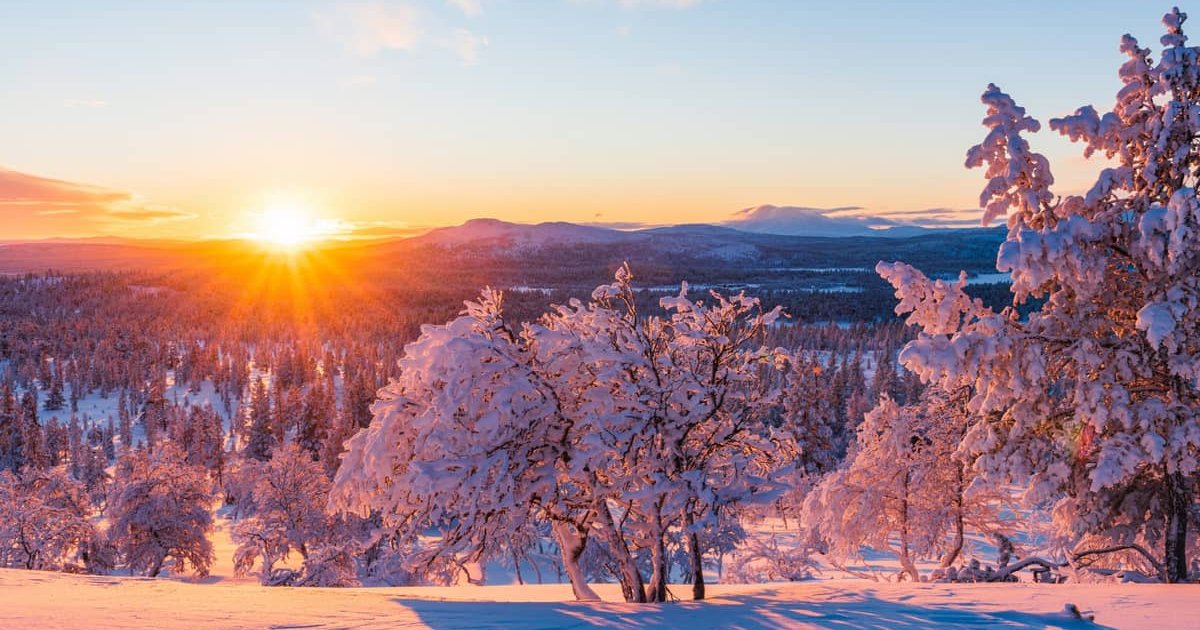
Winter Warmer than Normal: Climatologists Issue Preliminary Season Forecast
The upcoming winter in Ukraine is expected to be milder than normal due to dominant Atlantic air masses, though meteorologists warn of potential short cold snaps.
 🛡️Security
Overnight Drone Strike on Kharkiv: Hospital and Residential Area Hit
A Russian drone targeted a medical facility in Kharkiv, injuring four people, while another strike damaged vehicles near an apartment building.
 🛡️Security
Over 2,000 Russian Troops Eliminated in 24 Hours: General Staff Updates War Losses
Ukrainian Defense Forces took out 2,150 Russian military personnel along with substantial quantities of combat equipment and supply transport over the past day.
 💡Tech
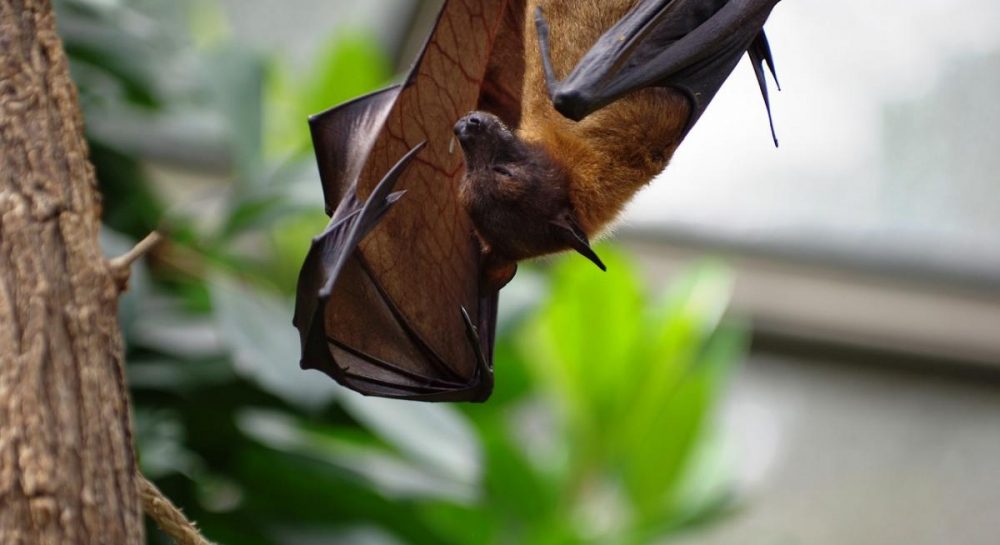
Scientists Debunk 80-Year Myth of Bat Blindness
New research reveals that bats rely on sophisticated vision and eye movements to hunt and navigate, especially during twilight hours.
 🛡️Security
Capital of Ukraine Hit by Ballistic Missiles Twice Overnight: Destructions Reported
Russian forces launched a second ballistic missile attack on Kyiv overnight, causing explosions and infrastructural damage.
 💡Tech
Why a triangle icon appears on Samsung smartphones: an explanation for users
Samsung Galaxy owners often encounter an unfamiliar triangle symbol in the status bar, which indicates that the Data Saver mode is active.