Microplastics in water: scientists discover a new hidden threat to cells
Research from Columbia University proves that microplastics can trigger chemical reactions that damage biological structures.
 🩺Health
Photo: TSN
Key points
- Microplastics trigger chemical reactions in water
- Reactive oxygen species damage cells
- Polyethylene and polypropylene are the most active
Chemical activity of plastic particles
A new scientific study conducted by experts at Columbia University, in collaboration with colleagues from Berkeley, is changing our understanding of the impact of microplastics on the environment. Previously, these particles were considered primarily passive pollutants, but it has been revealed that upon contact with water, they act as catalysts for dangerous chemical processes.
Scientists found that reactive oxygen species form on the surface of plastic. These molecules are capable of damaging proteins, DNA, and cellular integrity. Experiments with mouse erythrocytes confirmed that contact with polystyrene leads to the destruction of cell membranes and the release of hemoglobin.
Which types of plastic are the most dangerous?
- Polyethylene and polypropylene: demonstrated the highest chemical activity due to their specific interaction with water.
- PET and acrylic: proved to be less reactive, though they still participate in the formation of free radicals.
Researchers emphasize that the risk increases as particle size decreases, as this increases the total surface area. Everyday habits, such as heating food in plastic containers or storing water in direct sunlight for long periods, can accelerate material degradation and the release of microparticles.
Source TSN — tsn.ua/zdorovya/mikroplastyk-vyiavyvsia-nebezpechnishym-niz-vvazaly-shc… ↗
Read next
 💼Economy
Poultry Efficiency: Factors Affecting Productivity and Hen Care
An analysis of laying hen productivity and key principles of maintenance to ensure stable egg production.
 🛡️Security
Death toll from strike on Dymer in Kyiv region rises to three
Rescuers in Dymer, Kyiv region, recovered the body of a third victim from under the rubble of a residential building hit by a Russian strike.
 🚨Events
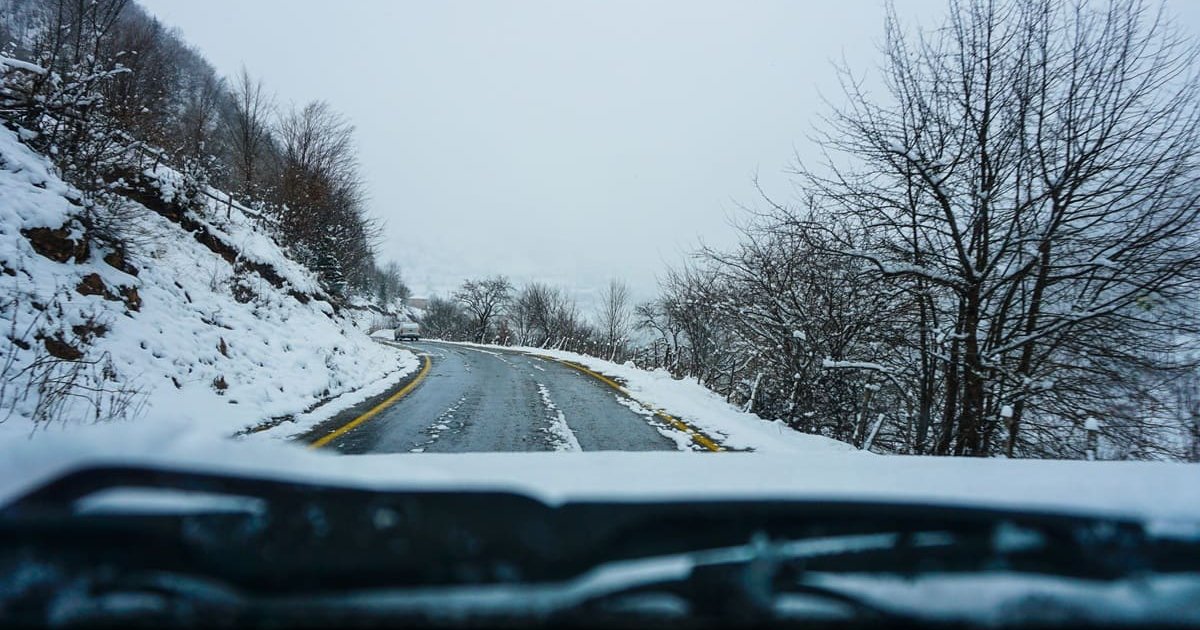
Transcarpathian Weather Center Issues Yellow Alert Due to Black Ice and Snow
Transcarpathia is bracing for worsening weather conditions as black ice, wet snow, and gusty winds are forecasted for the night and morning of November 23.
 💡Tech
Sweden Develops New K200 Interceptor Drone to Target Jet-Powered UAVs with Ukrainian Partnership
Swedish startup Nordic Air Defence has introduced the K200 interceptor drone designed to counter jet-powered UAVs, developed in cooperation with Ukrainian specialists.
 🇺🇦Ukraine
Incident involving Russian vessel in the Gulf of Finland is an act of Ukraine's self-defense, Estonian FM says
The attack on the Russian cargo ship Sparta II in the Gulf of Finland is a consequence of Russia's war against Ukraine, Estonian Foreign Minister Margus Tsahkna stated.
 🏙️City
Government to Launch Digital Platform for Utility Monitoring
The Ministry of Digital Transformation and the Ministry for Communities and Territories are developing a unified system to report power, heat, and water outages.