Architectural Heritage of Transcarpathia: Why Rural Houses Feature Narrow Facades
Historic houses with narrow facades in Transcarpathia emerged due to geographical features, land-apportionment traditions, and past tax policies. Modern architects continue to reinterpret these solutions in contemporary projects.
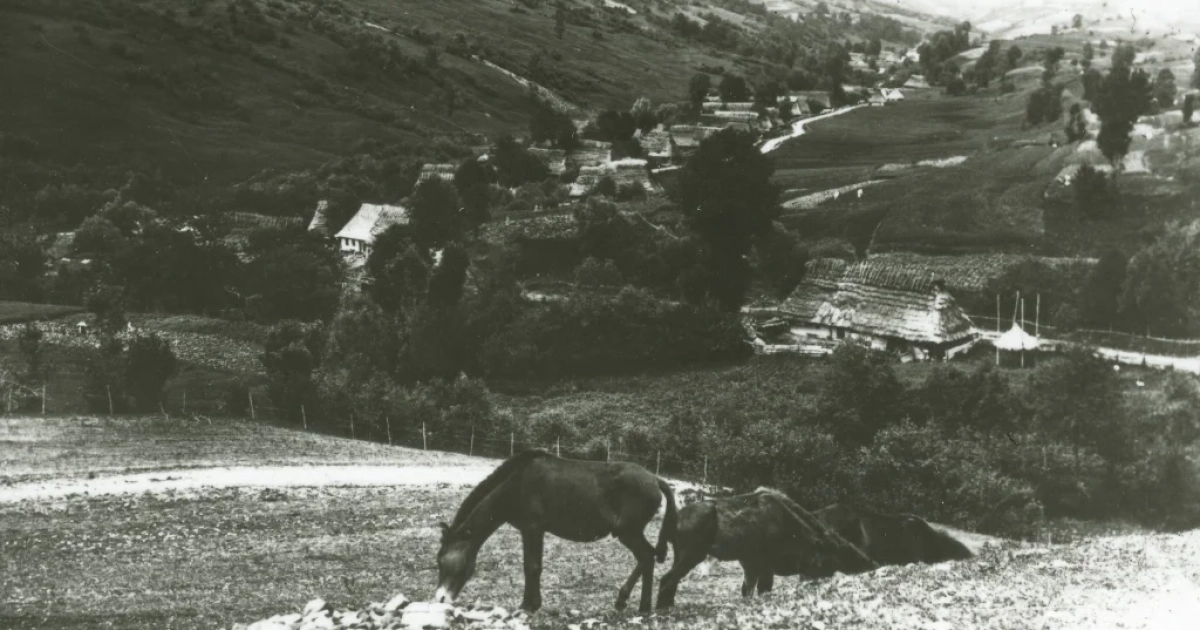 👥Society
Photo: PMG.ua
Key points
- Narrow facades in Transcarpathia were driven by mountainous terrain and land division systems.
- Austro-Hungarian tax policies affected window counts and building widths.
- The 'long house' concept allowed homesteads to expand inward as families grew.
The architectural landscape of the Transcarpathian region features numerous distinctive traits, with traditional houses featuring narrow facades drawing particular attention. Such historic buildings can still be found across various communities in the region, blending harmoniously into the local context. These design choices not only shape the unique appearance of regional villages but also distinguish the area from other historical and cultural zones.
Historical Causes and the Tax Factor
The emergence of this type of development was driven by several important factors, with geography and economy playing a key role. The mountainous terrain significantly limited the land suitable for construction. Narrow houses allowed for dense development, making efficient use of every meter of flat land along roads or rivers. Land plots were historically divided into long, narrow strips, forcing owners to expand their homesteads deep into the courtyard following the 'long house' principle.
In addition to natural conditions, planning was significantly influenced by the political and fiscal system during the period when the region was part of Austria-Hungary. At that time, taxes often depended on the number of windows facing the street and the overall width of the facade. To minimize financial expenses, locals erected houses with their gables facing the road, leaving just one or two windows. Today, such traditional forms are gaining professional interest as architects adapt historical experiences to modern realities.
Source PMG.ua — pmg.ua/tourism/144374-chomu-v-deiakykh-zakarpatskykh-selakh-budynky-mai… ↗
Read next
 💼Economy
Labor Shortage in Ukraine: In-Demand Specialists and Offered Salaries
The Ukrainian labor market continues to face a persistent shortage of blue-collar, technical, and medical professionals. Despite high salaries reaching over 60,000 hryvni…
 🚨Events
Russian vessels attacked by sea drones in Libya
Unknown drones have struck Russian ships in the port of Benghazi. Preliminary reports suggest the vessels were involved in logistics for Russian military units in Africa.
 🩺Health
The Health Benefits of Sauerkraut for Seniors: Expert Advice
Nutritionists highlight the importance of including fermented vegetables in the diet of elderly people to boost immunity and improve digestion.
 🛡️Security
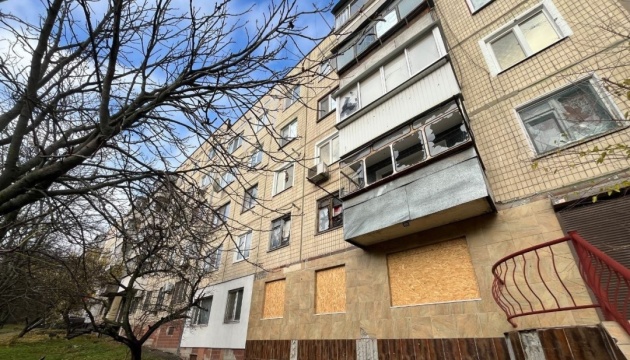
Massive attack on Dnipropetrovsk region: woman killed, several injured
Russian forces launched over 40 attacks on the Dnipropetrovsk region, causing civilian casualties and damaging critical infrastructure.
 🏙️City
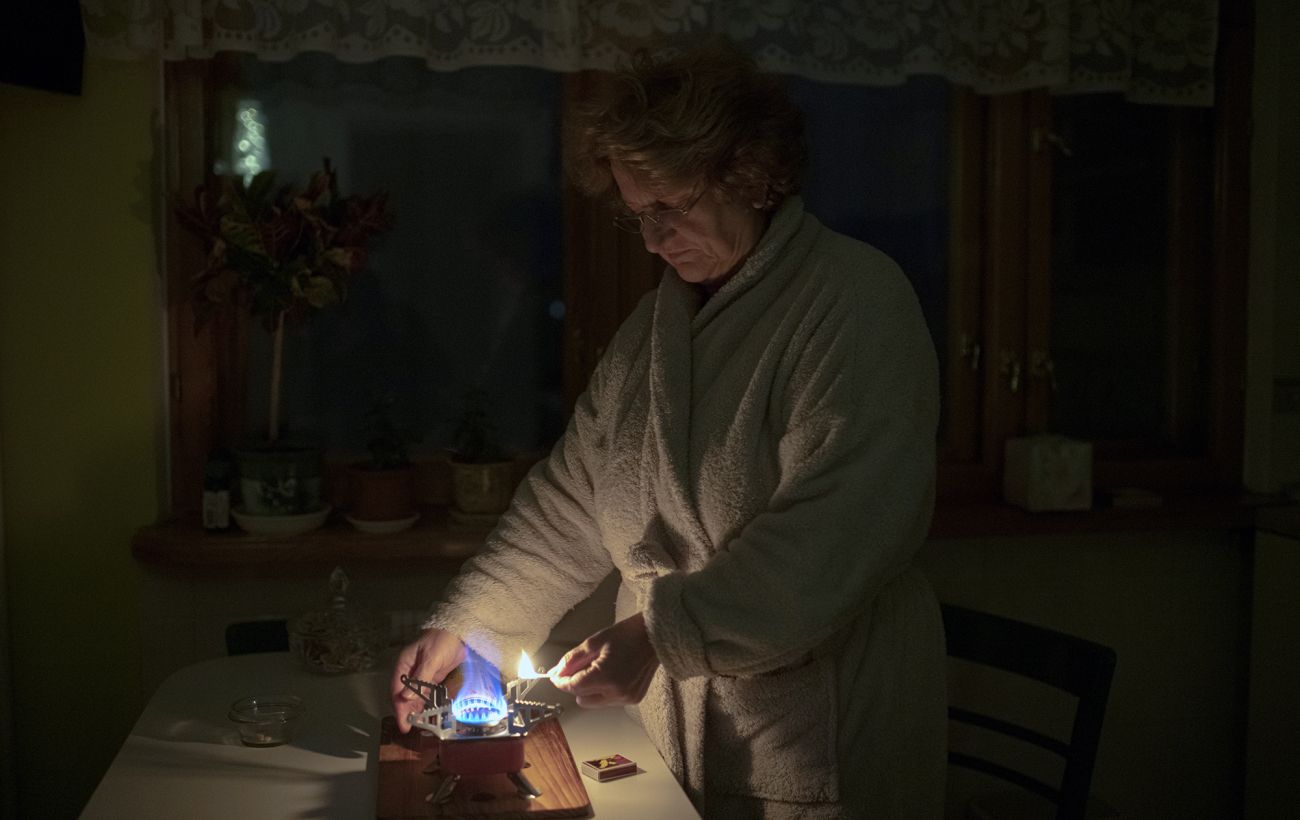
Ukraine's energy system suffers new damage: emergency power cuts introduced
Emergency power outages have been implemented across five regions of Ukraine following attacks on energy infrastructure.
 🚨Events
In Uzhhorod, a patient's relative attacked an emergency medical crew during a call
While assisting an injured man in Uzhhorod, the patient's brother physically attacked emergency medics. Patrol police had to be called to the scene.